

Hull Landscape Services
Transform Your Landscape with Unmatched Quality, Integrity & Exceptional Value
Get a Free QuoteWhen to Schedule Brush Removal in Hull, Massachusetts – Seasonal Guide
In Hull, Massachusetts, the best times for brush removal are typically late winter through early spring and again in late fall. These periods align with Hull’s unique coastal climate, where frost dates usually end in early April and begin again in late October. Scheduling brush removal before new growth emerges in spring or after leaves have fallen in autumn helps maintain healthy landscapes and reduces the risk of pest infestations. Neighborhoods near Nantasket Beach and the Weir River often experience higher humidity and salt exposure, which can accelerate brush decay and make timely removal even more important.
Local environmental factors such as sandy soils, variable shade coverage from mature oaks and maples, and the risk of summer droughts—especially in areas like Allerton Hill—should guide your timing. Additionally, Hull’s municipal guidelines, which can be found on the town’s official website, may restrict brush disposal during certain months, so it’s wise to check before scheduling service.
Local Factors to Consider for Brush Removal in Hull
- Tree density and type (e.g., coastal pines vs. inland hardwoods)
- Terrain and slope, especially in hilly neighborhoods
- Seasonal precipitation and humidity levels
- Proximity to saltwater and exposure to sea breezes
- Municipal restrictions on brush disposal
- Soil type and drainage characteristics
- Shade coverage affecting undergrowth and brush density
Benefits of Brush Removal in Hull

Improved Curb Appeal
Enhanced Property Safety
Prevention of Pest Infestations
Increased Usable Outdoor Space
Faster Project Completion
Eco-Friendly Disposal Methods
Hull Brush Removal Types

Manual Brush Clearing
-
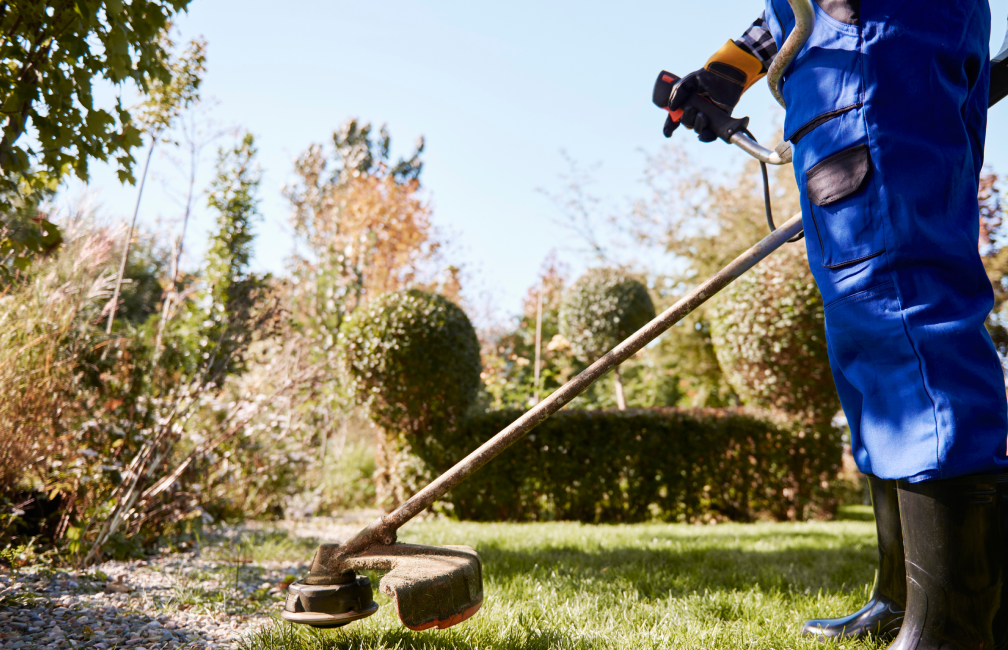
Mechanical Brush Removal
-
Selective Brush Cutting
-
Brush Mulching
-
Chemical Brush Control
-
Prescribed Burning
-
Stump Grinding
Our Brush Removal Process
Site Evaluation
Safety Preparation
Brush Clearing
Debris Removal
Final Inspection
Why Choose Hull Landscape Services
-
Hull Homeowners Trust Us
-
Expert Lawn Maintenance
-
Competitive Pricing
-
Professional Team
-
Satisfaction Guarantee
-
Personalized Service
-
Reliable Scheduling
Brush Removal Coordination with Hull’s Department of Public Works and Local Ordinances
Brush removal in Hull is governed by municipal regulations to ensure safe, efficient, and environmentally responsible practices. The Department of Public Works oversees curbside brush collection, which typically occurs every Thursday from April through November. Residents must use biodegradable paper bags or 32-gallon reusable bins for brush under 4 feet in length and 4 inches in diameter; plastic bags and oversized branches are prohibited. Equipment operation is permitted Monday-Friday from 7:00 AM to 7:00 PM, Saturday 8:00 AM to 6:00 PM, and is prohibited on Sundays and holidays. For large-scale brush removal or work near public rights-of-way, a permit may be required, with a standard review period of 5-10 business days and a typical fee of $25-50. Compliance with these requirements helps maintain public safety and supports Hull’s waste management goals.
Hull Department of Public Works
253 Atlantic Avenue, Hull, MA 02045
Phone: (781) 925-0900
Official Website: Hull Department of Public Works
Soil and Site Considerations for Brush Removal in Hull’s Coastal Environment
Hull’s landscape is characterized by glacial till soils, including the Scituate and Newport series, which are moderately to poorly drained and often stony. These soils typically have a pH range of 5.5-6.5, requiring careful planning for brush removal to avoid soil compaction and erosion, especially on slopes or near wetlands. Many properties in Hull are located within 25 feet of sensitive coastal wetlands or salt marshes, necessitating a no-disturbance buffer zone for all brush clearing activities. When removing brush, it is recommended to minimize heavy equipment use on saturated soils and to schedule work when the ground is firm, typically late spring through early fall. Soil testing through UMass Extension is advised for properties with persistent drainage or vegetation issues. For detailed soil mapping, consult the USDA Web Soil Survey.
Environmental Compliance: Wetland Buffers and Stormwater Protections in Hull
Brush removal near Hull’s wetlands, streams, and coastal areas is subject to strict environmental regulations under the Massachusetts Environmental Policy Act (MEPA) and the federal Clean Water Act. A 25-foot no-disturbance buffer is required from all wetlands, and a 50-foot setback applies for significant brush clearing. Disposing of brush or debris in storm drains is strictly prohibited under Hull’s MS4 permit, which is enforced by the Massachusetts Department of Environmental Protection. To prevent runoff and protect water quality, all brush piles should be staged at least 50 feet from water bodies and never left on impervious surfaces. For questions about compliance or reporting violations, contact:
Hull Conservation Commission
253 Atlantic Avenue, Hull, MA 02045
Phone: (781) 925-8102
Official Website: Hull Conservation Commission
Massachusetts Department of Environmental Protection
Boston, MA
Official Website: Massachusetts Department of Environmental Protection
Safety Protocols and Equipment Standards for Brush Removal in Hull
All brush removal operations in Hull must adhere to municipal safety standards and equipment requirements. Operators are required to wear ANSI Z87.1 safety glasses, hearing protection for equipment exceeding 85 dB, steel-toed boots, and cut-resistant gloves. When working within 15 feet of power lines or public roads, additional precautions such as high-visibility vests and traffic cones are mandatory. Only commercial-grade chippers and saws with functional mufflers may be used, and all equipment must be inspected prior to use. The following safety measures are required:
- Eye protection: ANSI Z87.1 safety glasses
- Hearing protection: Earmuffs or plugs for 85+ dB
- Footwear: Steel-toed, non-slip boots
- Gloves: Cut-resistant for pruning
- High-visibility vests for roadside work
For guidance on safety protocols or to report unsafe practices, contact:
Hull Department of Public Works
253 Atlantic Avenue, Hull, MA 02045
Phone: (781) 925-0900
Official Website: Hull Department of Public Works
Optimal Timing and Weather Considerations for Brush Removal in Hull’s Coastal Climate
Hull is located in USDA Hardiness Zone 6b, with a coastal climate influenced by the Atlantic Ocean. The optimal window for brush removal is from April 15 to November 15, when soils are firm and vegetation is not dormant. Avoid scheduling brush removal during periods of saturated ground, which are common in March and after heavy rainfall, to prevent soil compaction and erosion. The National Weather Service Boston/Norton office provides up-to-date forecasts and severe weather alerts relevant to outdoor work. For large projects, monitor soil moisture and wind conditions, as high winds can increase safety risks and complicate debris management. Key timing guidelines include:
- Spring: April 15 – June 15 (ideal for most sites)
- Fall: September 1 – November 15 (before first frost)
- Avoid: March (mud season), late November – March (frozen or saturated soils) For local weather updates, consult the National Weather Service Boston/Norton.
What Neighborhoods Do We Serve Throughout Hull, MA?
- Nantasket Beach: Coastal soils with high sand content and salt exposure require careful brush removal to prevent dune destabilization and protect native vegetation.
- Atlantic Hill: Steep slopes and rocky glacial till soils present access challenges and increase erosion risk during brush clearing, especially after heavy rains.
- Kenberma: Dense residential development with narrow streets and overhead utilities necessitates compact equipment and strict adherence to noise ordinances.
- Sunset Point: Proximity to salt marshes and conservation areas means strict enforcement of wetland buffer zones and limited equipment access.
- Allerton: Historic homes and mature landscaping require sensitive brush removal to preserve heritage trees and comply with local preservation guidelines.
- Gunrock: Flood-prone areas with poorly drained soils demand special attention to debris staging and disposal to prevent stormwater violations.
- Green Hill: Larger lots with mixed woodland and open space require selective clearing and coordination with the Conservation Commission for work near protected habitats.