

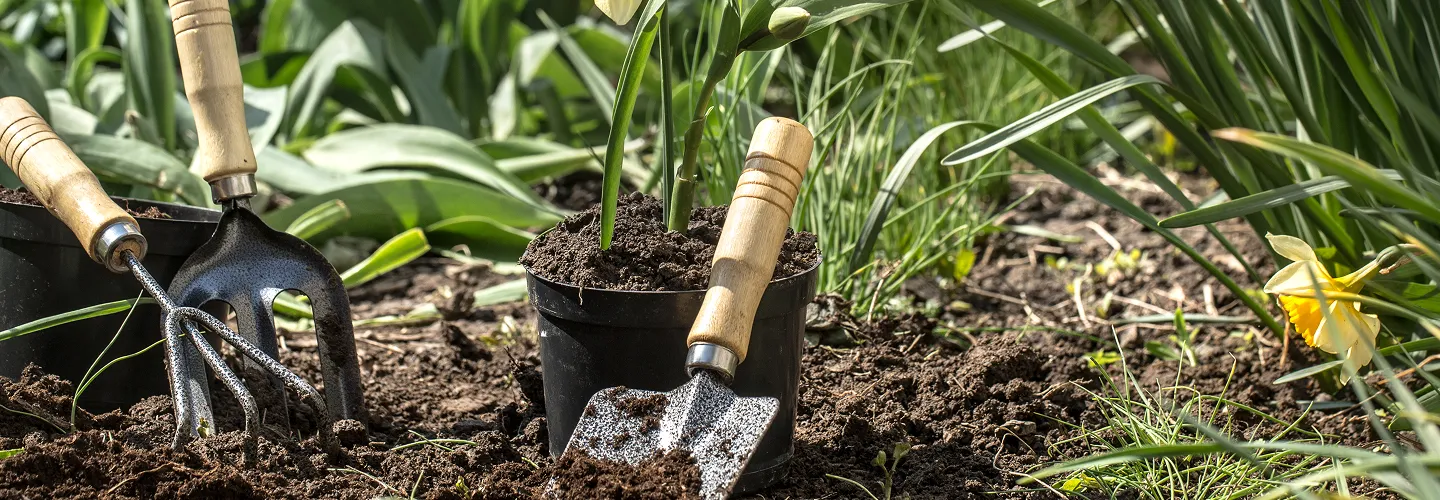
Hull Plant Removal Services
Choose our plant removal services for expert care, fast response, and environmentally responsible disposal—ensuring your property is left clean, clear, and ready for your next project.
Get a Free QuoteWhen to Schedule Plant Removal in Hull, Massachusetts – Seasonal Guide
In Hull, Massachusetts, the best time for plant removal is typically during late fall after the first frost or in early spring before new growth begins. Hull’s coastal climate, with its cool sea breezes and variable humidity, means that timing is crucial to minimize disruption to your landscape and to ensure successful replanting or restoration. Areas near Nantasket Beach and the Weir River often experience higher moisture levels and salt exposure, which can affect both the ease of removal and the recovery of your yard.
Local factors such as the sandy soils near Fort Revere Park, the shade coverage from mature trees in the Atlantic Hill neighborhood, and the risk of summer droughts all play a role in determining the optimal removal window. It’s also important to consider Hull’s municipal guidelines, which may require permits or restrict removal during certain periods. For more information on local regulations, visit the Town of Sudbury’s official site.
Local Factors to Consider for Plant Removal in Hull
- Tree and shrub density in your yard
- Terrain and soil type (e.g., sandy, loamy, or clay soils)
- Proximity to saltwater and exposure to sea breezes
- Seasonal precipitation and risk of drought
- Shade coverage from existing structures or mature trees
- Municipal restrictions or permit requirements
- Accessibility for equipment in tight or sloped areas
Benefits of Plant Removal in Hull
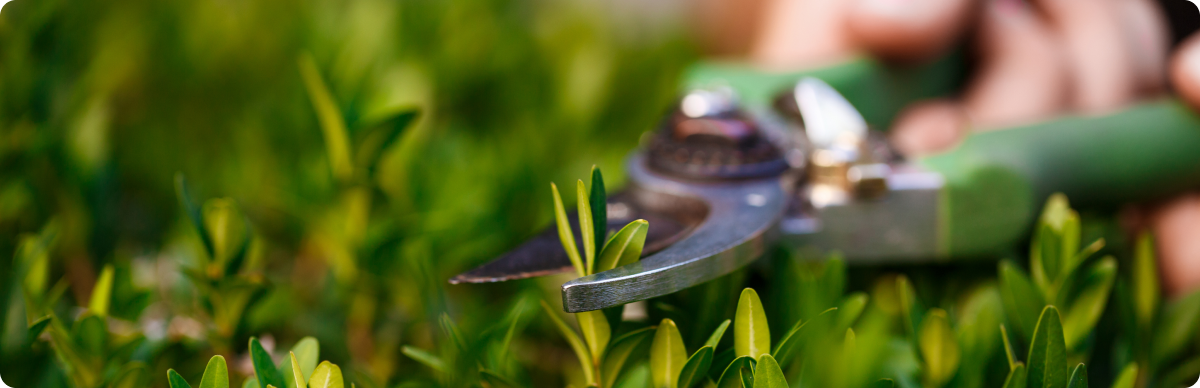
Expert Landscaping Services
Efficient Plant Removal
Eco-Friendly Disposal
Improved Garden Aesthetics
Enhanced Property Value
Safe and Reliable Team
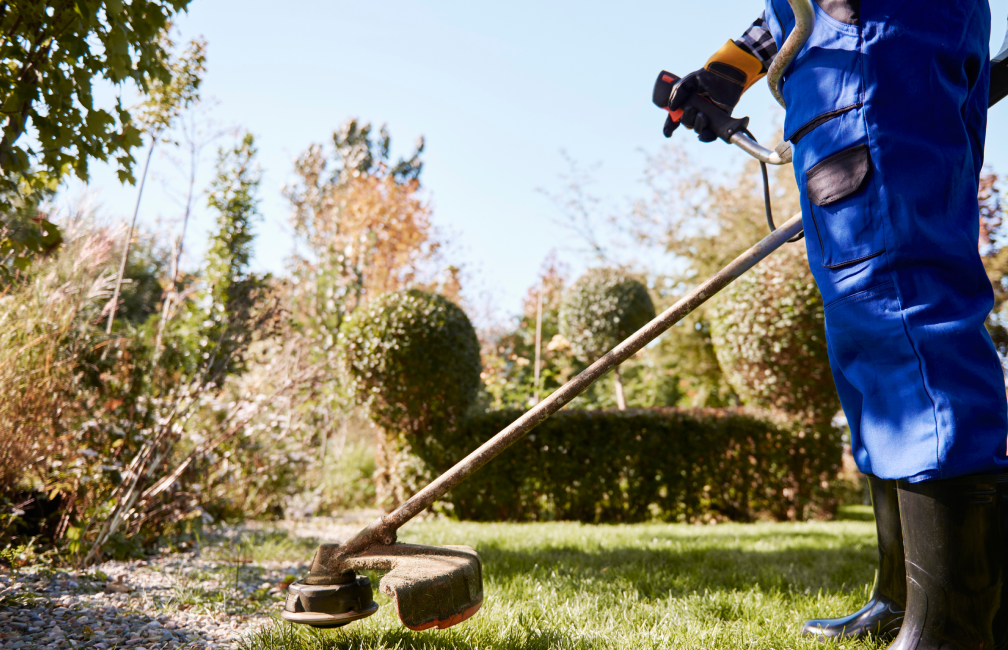
Hull Plant Removal Types

Manual Plant Removal
-
Mechanical Uprooting
-
Chemical Weed Control
-
Root Excavation
-
Stump Grinding
-
Selective Pruning
-
Mulching and Smothering
Our Plant Removal Process
Site Evaluation
Preparation and Safety Measures
Plant Extraction
Debris Removal
Site Restoration
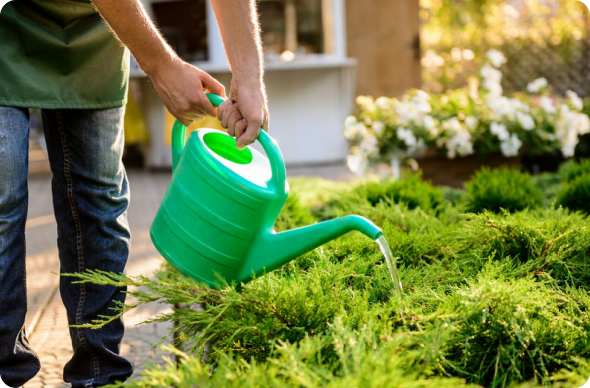
Why Choose Hull Landscape Services
-
Hull Homeowners Trust Us
-
Expert Lawn Maintenance
-
Competitive Pricing
-
Professional Team
-
Satisfaction Guarantee
-
Personalized Service
-
Reliable Scheduling
Contact Hull's Department of Public Works for Brush Disposal & Municipal Chipping Programs
Proper brush disposal in Hull is managed through seasonal curbside collection (April–November) and the Transfer Station, both overseen by the
Hull Department of Public Works
9 Nantasket Avenue, Hull, MA 02045
Phone: (781) 925-0900
Official Website: Hull Department of Public Works(https://www.town.hull.ma.us/department-public-works)
. Residents must use biodegradable paper bags (no plastic, per MassDEP), and brush bundles must not exceed 4-foot lengths or 50 lbs, tied with biodegradable twine. The DPW also coordinates municipal chipping programs, offering on-site chipping and mulch during peak spring and fall periods. Brush is strictly prohibited from household trash and must be separated from leaves. Never place brush in the street or storm drains—violations can result in penalties and MS4 compliance issues. Always keep materials on private property until collection.
Hull Fire Department Coordination for Open Burning Permits & Safety Requirements
Open burning in Hull is subject to strict regulation, with many Massachusetts towns restricting or prohibiting the practice. Residents must verify local ordinances and, if permitted, obtain a daily permit from the
Hull Fire Department
671 Nantasket Avenue, Hull, MA 02045
Phone: (781) 925-8111
Official Website: Hull Fire Department(https://usfiredept.com/hull-fire-department-11086.html)
. Burning is only allowed during designated seasonal windows and must comply with MassDEP air quality standards. Safety requirements include minimum setbacks (50-150 feet from structures), constant supervision, and a water source on hand. Prohibited materials include leaves, construction debris, and plastics. Burning may be canceled on high-risk days (red flag warnings, drought, high winds) as advised by NWS Boston/Norton or Albany. Maintain defensible space (30-100 feet) around structures and ensure emergency vehicle access.
Understanding Brush Types, Invasive Species & Specialized Disposal in Hull's Glacial Till & Rocky New England Terrain
Hull’s landscape, shaped by glacial till and rocky soils, supports both native and invasive brush species. Common invasives include:
- Common Buckthorn (Rhamnus cathartica) and Glossy Buckthorn (Frangula alnus)
- Bush Honeysuckles (Amur, Morrow's, Tartarian)
- Multiflora Rose (Rosa multiflora)
- Autumn Olive (Elaeagnus umbellata)
- Oriental Bittersweet (Celastrus orbiculatus)
Specialized disposal is required: remove invasives before fruit set (June–September), bag berries to prevent seed spread, and sanitize equipment between sites. Viable seeds must go to landfill—never compost or chip. Coordinate with Mass Division of Fisheries & Wildlife and MA Dept of Agricultural Resources for guidance. Be alert for hazardous vegetation like poison ivy, ticks (Lyme disease), and wild parsnip. Promote native restoration with oak woodland and native shrubs, working with Mass Audubon.
Hull Conservation Commission Requirements for Brush Removal Near Wetlands & Protected Areas
Brush removal near Hull’s wetlands, vernal pools, and water bodies is regulated under the Wetlands Protection Act (M.G.L. c. 131, § 40). Permits (NOI/RDA) are required for work within 25-100 feet of protected resources. The
Hull Conservation Commission
253 Atlantic Avenue, Hull, MA 02045
Phone: (781) 925-8102
Official Website: Hull Conservation Commission(https://www.town.hull.ma.us/conservation-commission)
oversees compliance, including erosion control (silt fences, blankets) on glacial till/clay slopes. Wildlife protection is critical: conduct nesting bird surveys April–August, inspect for dens or bat roosts, and observe seasonal restrictions for migratory and vernal pool species. Selective removal should preserve habitat features and may include strategic brush piles for wildlife shelter.
Professional Safety Standards, Equipment Requirements & Utility Coordination (Dig Safe 811) for Brush Removal
Professional brush removal in Hull requires adherence to safety and certification standards. Complex removals should be performed by an ISA Certified Arborist, with operators trained in invasive identification and equipment use (ANSI Z133.1). Required PPE includes chainsaw chaps, cut-resistant gloves, eye/face protection, hearing protection (>85 dB), and steel-toed boots. Always coordinate with Dig Safe 811 at least 48 hours (preferably 72 hours) before excavation or stump removal, maintaining a 10-foot minimum distance from power lines. Liability insurance (1M minimum, 2M aggregate), workers compensation, and bonding are required for commercial work. Emergency communication and first aid certification are essential for remote or hazardous sites.
Seasonal Timing, Wildlife Protection & Weather Coordination for Hull's Climate Zone 6b
Hull’s climate (Zone 6b) and glacial till/clay soils influence optimal brush removal timing. Best practices include:
- Winter (Dec–March): Frozen ground minimizes soil compaction and wildlife disturbance
- Early Spring (March–April): Before nesting season, after ground thaws
- Late Fall (Oct–Nov): After breeding season, before ground freezes
- Summer (May–August): Avoid due to nesting birds and fire risk
Monitor weather via NWS Boston/Norton or Albany: avoid work above 20-25 mph winds or on saturated soils. Red flag warnings and droughts require burning restrictions. Wildlife surveys are mandatory April–August, especially for protected species. Document all wildlife encounters and avoid disturbing overwintering mammals in brush piles.
Post-Removal Site Restoration & Stormwater Management in Compliance with Hull's MS4 Program
After brush removal, site restoration is essential for compliance with Hull’s MS4 permit under the Clean Water Act. Immediate erosion control is critical on glacial till/clay soils to prevent sediment from entering storm drains and local watersheds. Follow MassDEP Stormwater Standards and reestablish native vegetation (shrubs, grasses) adapted to local soils. Amend compacted soils with organic matter and use mulching or erosion blankets on slopes. During construction, stage equipment away from sensitive areas and perform daily cleanup. Long-term, monitor for invasive regrowth (buckthorn, bittersweet) and maintain restored areas, using licensed herbicide applicators if necessary. Coordinate with
Hull Department of Public Works
9 Nantasket Avenue, Hull, MA 02045
Phone: (781) 925-0900
Official Website: Hull Department of Public Works(https://www.town.hull.ma.us/department-public-works)
for ongoing management.
Storm Debris Management & Emergency Response Coordination with Hull
Severe weather events in Hull, such as Nor’easters, hurricanes, and ice storms, require coordinated storm debris management. The
Hull Department of Public Works
9 Nantasket Avenue, Hull, MA 02045
Phone: (781) 925-0900
Official Website: Hull Department of Public Works(https://www.town.hull.ma.us/department-public-works)
Hull Fire Department
671 Nantasket Avenue, Hull, MA 02045
Phone: (781) 925-8111
Official Website: Hull Fire Department(https://usfiredept.com/hull-fire-department-11086.html)
Hull Police Department
1 School Street, Hull, MA 02045
Phone: (781) 925-1212
Official Website: Hull Police Department(https://hullpolice.org)
coordinate emergency collection, priority corridor clearance, and public safety. Residents should separate organic brush from other debris and follow municipal instructions for curb placement. FEMA coordination may be necessary for major disasters, including documentation and temporary debris storage. Safety protocols include traffic control, barricades, and utility company coordination for downed lines. Report hazards immediately and follow all emergency advisories.
What Neighborhoods Do We Serve Throughout Hull, MA?
Hull’s neighborhoods each present unique vegetation and infrastructure challenges. Mature areas like Atlantic Hill and Kenberma often have dense buckthorn and bittersweet, while newer developments such as Spinnaker Island face less invasive pressure. Proximity to wetlands in areas like Sunset Point and Allerton requires Conservation Commission permits and careful erosion control. Narrow streets and historic districts (Nantasket Beach, Fort Revere) may limit equipment access and require special restoration standards. Soil types range from glacial till/clay (prone to rutting) to sandy coastal areas, affecting drainage and equipment operation. Community standards, HOA rules, and deed restrictions may influence brush management, while municipal collection routes and Transfer Station access vary by location.
Hull Municipal Ordinances for Brush Removal Equipment Operation & Commercial Service Standards
Hull enforces municipal ordinances governing brush removal equipment operation and commercial standards. Equipment hours are typically 7:00 AM–8:00 PM weekdays, 8:00 AM–6:00 PM Saturdays, with Sunday restrictions (often before 9:00 AM or prohibited—verify with the
Hull Building Department
253 Atlantic Avenue, Hull, MA 02045
Phone: (781) 925-1330
Official Website: Hull Building Department(https://www.town.hull.ma.us/building-department)
). Noise and decibel limits apply. Commercial operators must hold a business license, Home Improvement Contractor registration (for contracts over $1,000), and insurance (1M minimum general liability, 2M aggregate). Public safety requires proper work zone setup, traffic control, and right-of-way permits. Code Enforcement handles violations, with penalties for noncompliance. Always verify local bylaws and coordinate with municipal departments for up-to-date requirements.